


- Beranda
- Berita dan Politik
Mengenal Zoroastrianisme, Agama Monoteistik Pertama di Dunia
...


TS
upkaswer
Mengenal Zoroastrianisme, Agama Monoteistik Pertama di Dunia
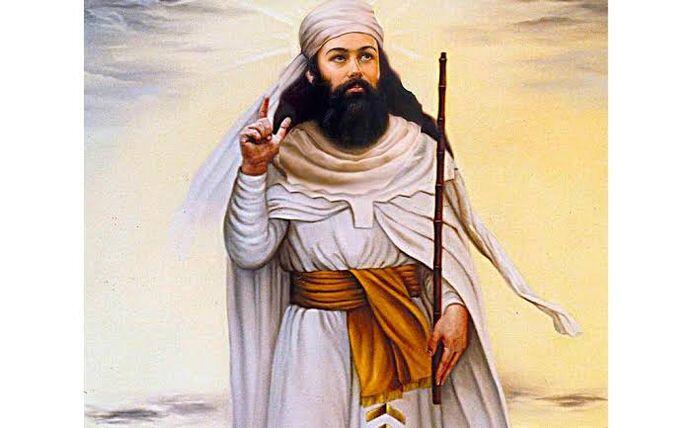
Ilustrasi Nabi Zarathrustra
Nationalgeographic.co.id - Zoroastrianisme merupakan agama Persia kuno yang diperkirakan berada sejak 4.000 tahun yang lalu. Dipercaya sebagai agama monoteistik pertama di dunia dan salah satu agama tertua yang masih ada.
Zoroastrianisme adalah agama negara dari tiga dinasti Persia, sampai penaklukan Muslim atas Persia pada abad ketujuh sebelum masehi. Para pengungsi Zoroaster, yang disebut Parsis, lolos dari gempuran Muslim di Iran dengan beremigrasi ke India.
Zoroastrianisme sekarang memiliki sekitar 100.000 hingga 200.000 penyembah di seluruh dunia, dan kini menjadi agama minoritas di beberapa bagian Iran dan India menurut History.
Nabi Zoroaster atau Zarathrustra dalam bahasa Persia kuno, yang juga dianggap sebagai pendiri Zoroastrianisme bisa dibilang sebagai iman monoteistik tertua di dunia.
Tidak terlalu jelas kapan tepatnya Zarathurstra hidup, namun jika dilihat dari tulisan suci agama Zoroaster ia berasal dari Avesta.
Beberapa cendekiawan percaya bahwa ia berada sezaman dengan Cyrus Agung, raja Kekaisaran Persia pada abad keenam SM. Meskipun sebagian besar bukti linguistik dan arkeologis menunjukkan tanggal yang lebih awal, yakni sekitar antara 1500 dan 1200 SM.
Zarathustra diperkirakan lahir di tempat yang sekarang adalah Iran timur laut atau Afghanistan barat daya. Dia mungkin hidup di sebuah suku yang mengikuti agama kuno dengan banyak dewa (politeisme). Agama ini kemungkinan mirip dengan bentuk awal Hindu. Zarathrustra mengajari pengikutnya untuk menyembah dewa tunggal bernama Ahura Mazda.
Pada 1990-an, para arkeolog Rusia di Gonur Tepe, sebuah situs Zaman Perunggu di Turkmenistan, menemukan sisa-sisa apa yang mereka yakini sebagai kuil api Zoroaster awal. Kuil ini dibangun pada milenium kedua SM, menjadikannya situs paling awal yang diketahui terkait dengan Zoroastrianisme.
Api, dipandang sebagai lambang kemurnian dalam agama Zoroaster. Tempat pemujaanya disebut kuil api. Setiap kuil api berisi altar dengan nyala api abadi yang tidak padam.
Menurut legenda, tiga kuil api kuno Zoroaster, yang berasal langsung dari dewa Ahura Mazda sempat mengalami kebakaran hebat. Para arkeolog telah mencari tempat-tempat ini, meskipun tidak jelas apakah kebakaran hebat itu pernah ada atau hanya mitos belaka.
Baca Juga: Berbagi Cerita: Lanskap Pecinan dan Goresan Canting dari Lasem
Zoroaster memberikan ritual penguburan langit" pada mereka yang mati. Mereka membangun menara-menara bundar yang rata yang disebut dakhma, atau menara keheningan. Ada mayat-mayat yang terpapar dan tulang-tulang diambil bersih dan diputihkan. Kemudian mereka dikumpulkan dan ditempatkan di lubang kapur yang disebut osuarium.
Dakhma telah ilegal di Iran sejak 1970-an. Banyak Zoroaster hari ini menguburkan mayat mereka di bawah lempengan beton, meskipun beberapa Parsi di India masih mempraktikkan pemakaman langit. Dakhma tetap beroperasi di dekat Mumbai, India.
https://nationalgeographic.grid.id/r...rtama-di-dunia
akar agama yg diplagiat atau dibajak oleh nabi ibrahim, yg melahirkan agama2 samawi saat ini
heranya masih ada umat yg memuliakan si plagiat ibrahim sebagai pencetus agama monotheis atau tauhid
insya allah dgn berita ini, dapat membuka wawasan kita semua untuk membawa agama ibrahim kembali ke fitrahnya sesuai ajaran zoroastrianisme
dan mengakui nabi zarathrustra sebagai nabi pendiri agama tauhid

Diubah oleh upkaswer 16-06-2020 08:49



MUF0REVER dan 12 lainnya memberi reputasi
11
4.8K
101
Komentar yang asik ya
Mari bergabung, dapatkan informasi dan teman baru!

Berita dan Politik
691.4KThread•56.8KAnggota
Tampilkan semua post
Jizyah101
#1
Quote:

Islamic conquest
Until the Arab invasion and subsequent Muslim conquest, in the mid 7th century Persia (modern-day Iran) was a politically independent state, spanning from Mesopotamia to the Indus River and dominated by a Zoroastrian majority.[2][3][4] Zoroastrianism was the official state religion of four pre-Islamic Persian empires,[5] the last being the Sassanian empire that passed a decree solidifying this in 224 CE.[3][6][6] The Arab invasion abruptly brought to an end the religious domination of Zoroastrianism in Persia and instituted Islam as the official religion of the state.[7][8][9]
Yemen's Zoroastrians who had the jizya imposed on them after being conquered by Muhammad are mentioned by the Islamic historian al-Baladhuri.[10]
After the Muslim conquest of Persia, Zoroastrians were given dhimmi status and subjected to persecutions; discrimination and harassment began in the form of sparse violence.[11] Those paying Jizya were subjected to insults and humiliation by the tax collectors.[12][13][14] Zoroastrians who were captured as slaves in wars were given their freedom if they converted to Islam.[12]
Many fire temples, with their four axial arch openings, were usually turned into mosques simply by setting a mihrab (prayer niche) on the place of the arch nearest to qibla (the direction of Mecca). Zoroastrian temples converted into mosques in such a manner could be found in Bukhara, as well as in and near Istakhr and other Persian cities.[15][full citation needed] Urban areas where Arab governors made their quarters were most vulnerable to such religious persecution, great fire temples were turned into mosques, and the citizens were forced to conform or flee.[16] Many libraries were burnt and much cultural heritage was lost.[17]
Gradually there were increased number of laws regulating Zoroastrian behavior, limiting their ability to participate in society, and made life difficult for the Zoroastrians in the hope that they would convert to Islam.[17] Over time, persecution of Zoroastrians became more common and widespread, and the number of believers decreased significantly. Many converted, some superficially, to escape the systematic abuse and discrimination by the law of the land.[12] Others accepted Islam because their employment in industrial and artisan work would, according to Zoroastrian dogma, make them impure as their work involved defiling fire.[18] According to Thomas Walker Arnold, Muslim missionaries did not encounter difficulty in explaining Islamic tenants to Zoroastrians, as there were many similarities between the faiths. According to Arnold, for the Persian, he would meet Ahura Mazda and Ahriman under the names of Allah and Iblis.[18]
Once a Zoroastrian family converted to Islam, the children had to go to Muslim religion school and learn Arabic and the teachings of the Quran and these children lost their Zoroastrian identity.[12] These factors continued to contribute to increasing rates of conversion from Zoroastrianism to Islam.[19] A Persian scholar commented, "Why so many had to die or suffer? Because one side was determined to impose his religion upon the other who could not understand."[20]
However, Sir Thomas Walker Arnold doubts the entire narrative of the forced conversions of the Zoroastrians, citing many examples of tolerance that were shown by the Muslim overlords concluding that "in the face of such facts, it is surely impossible to attribute the decay of Zoroastrianism to violent conversions made by the Muslim conquerors".[21] Arnold suggests that the conversions of the former-Zoroastrians were actually sincere citing the similarities between the two religions as a motivation for the conversions.[22] Stepaniants also (like Arnold) declares that some historians have said that the conversions to Islam were sincere citing the fact that Islam offered a broader door of brotherhood, unlike the restrictive criteria of Zoroastrianism.[23] Nevertheless, Sir Thomas Arnold does acknowledge that the persecution of Zoroastrians did take place later on.[24] Stepaniants states that the real persecution took place during the reign of the Abbasids, and around that time was when the Parsi exodus took place.[25]. But regardless, both Arnold and Stepaniants say that the Islam is not to blamed (entirely, according Stepaniants alone, although she does defend Islam by stating that persecution of Zoroastrians isn't found within the Islamic teachings) for the decline of Zoroastrianism.[26][27] Furthermore, the population of the city of Nishapur, even after the event of conquest (despite conversions to Islam taking place almost immediately) there still remained sizeable Zoroastrian populations, along with the Jews and Nestorian Christians as well.[28] Fred Donner says that the northern were hardly penetrated by the "believers" for a century or the, the Iranian nobility who reside in that area made terms with the believers winning virtually complete autonomy over the region in return of a tribute-tax or jizyah. Donner also acknowledges that Zoroastrians continued to exist in large numbers even after the rise of Islam in these regions.[29]

rizaradri memberi reputasi
1