


- Beranda
- Berita Luar Negeri
Perusahaan Jepang Tertangkap Basah Curi Teknologi TSMC
...


TS
kissmybutt007
Perusahaan Jepang Tertangkap Basah Curi Teknologi TSMC
TSMC Trade Secrets Leak Puts Japan’s Tokyo Electron on Hot Seat
By Takashi Mochizuki and Debby Wu
August 7, 2025 at 10:40 AM UTC
A Taiwanese investigation into the possible theft of chip technology at Taiwan Semiconductor Manufacturing Co. is putting a low-profile, lesser-known tech linchpin in Japan under unusual scrutiny.
Among the six people arrested by Taiwanese prosecutors for allegedly stealing trade secrets from the world’s largest contract chipmaker was a former employee at Tokyo Electron Ltd. Now, the Japanese company — one of the world’s biggest suppliers of chipmaking tools — is struggling to address the potential fallout with one of its most important customers and with governments in Tokyo and Taipei.
Tokyo Electron said that it fired an employee at its Taipei unit in connection with the case and is cooperating with the ongoing investigation. Its shares fell 2.5% on Thursday to their lowest since late April.
Read more: Taiwan Arrests Six in Probe of TSMC Chip Technology Leak
Taiwan makes the most advanced semiconductors in the world and its companies have regularly been targeted for their intellectual property by entities with ties to China, which is pushing hard to develop its own chip capabilities. The Tokyo Electron arrest raises questions about why its employee would be involved in such an endeavor, whether it would have any motivation to steal TSMC trade secrets and whether the case ties into Japan’s own ambitions to build a domestic chip industry.
“The fact that Tokyo Electron has come under the spotlight in this way feels like an unfortunate accident,” said Atsushi Osanai, a professor at Waseda University.
On Wednesday morning, in team meetings around the organization, Tokyo Electron employees were instructed to refrain from talking about the matter, people familiar with the matter said, asking not to be named describing private information. Company managers flew to Taiwan to deal with the aftermath, one person said.
So far, the company has not found evidence that trade secrets were shared with third parties, Tokyo Electron said. It said it was unable to provide further details on a case under judicial review.
Taiwanese prosecutors have not disclosed many details of their investigation and have not identified who they think was behind the six people arrested.
Alongside Applied Materials Inc. and Lam Research Corp., Tokyo Electron plays a low-profile but crucial supporting role to the world’s chipmakers including TSMC, Samsung Electronics Co. and Intel Corp., making machines that coat, etch, process and clean silicon wafers to create semiconductors.
Chip industry veterans say they see no clear reason for Tokyo Electron to engage in an act of intellectual property theft and risk its relationship with TSMC, the supplier to Nvidia Corp.and Apple Inc. and the world’s biggest spender on chipmaking equipment. Tokyo Electron is privy to its customers’ 10-year technological roadmaps, essential to better propose and develop the most effective chip gear, and that collaboration helps it maintain its technological lead over rivals, its Chief Executive Officer Toshiki Kawai has said.
“TSMC is Tokyo Electron’s most important customer and the central player in the semiconductor industry,” said Osanai. “It’s hard to imagine that the company would risk losing all of that by engaging in any wrongdoing.”
Like much of corporate Japan, Tokyo Electron has been caught in the crosshairs of growing tensions between its two largest trading partners, the US and China. Roughly 40% of the chip tool maker’s sales come from China, but that revenue is taking hits from US export curbs on technology: It can’t sell some of its most advanced equipment into China, and Beijing is now spending billions of dollars to encourage the growth of home-grown chip gear makers.
The controversy also comes at a low point for Tokyo Electron. Last week, its shares plunged 18% after cancellations of expected orders alongside a lull in Chinese demand forced the Tokyo-based company to slash its earnings outlook.
https://www.bloomberg.com/news/artic...on-on-hot-seat
TSMC employees reportedly stole 2nm trade secrets to share with Rapidus — accused are said to have shared 'hundreds of process integration technical photos'
By Anton Shilov published 15 hours ago
The extent of Rapidus' involvement is still unclear.
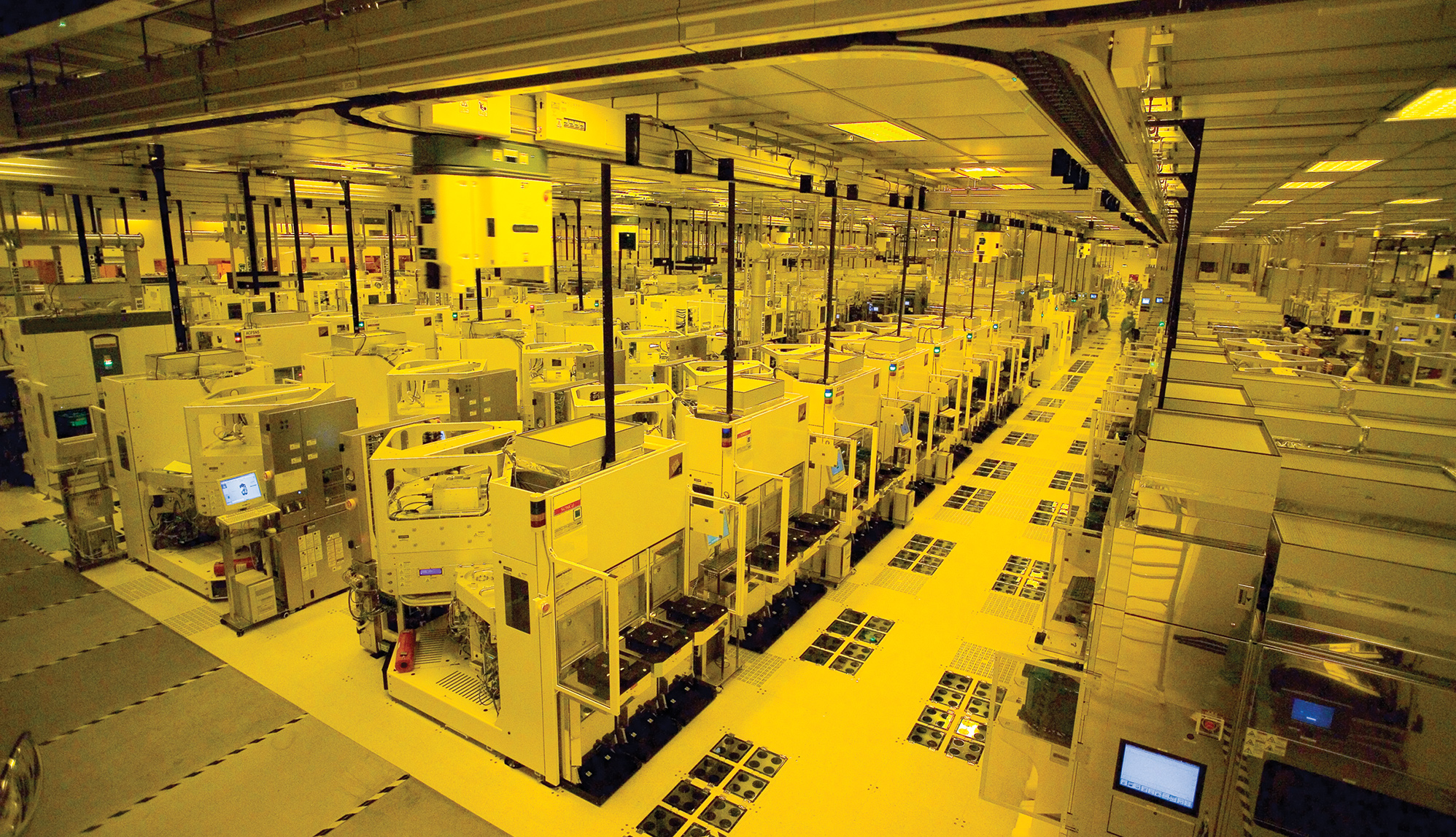
(Image credit: TSMC)
TSMC employees accused of stealing the foundry's trade secrets related to its upcoming 2nm-class fabrication process allegedly shared their findings with Japan-based foundry startup Rapidus, according to Money.UDN.com. The perpetrators reportedly shared 'hundreds of process integration technical photos' with the Japanese company, though their exact relationship with Rapidus is unknown and it is unclear whether the chipmaker asked for the said assets.
TSMC and the Intellectual Property Branch of the Taiwan High Prosecutors Office (THIP) are investigating a serious internal breach involving trade secrets related to TSMC's 2nm-class process technology. At least one current employee is suspected of working with a former colleague who now works at Tokyo Electron (TEL) to transmit sensitive data to Rapidus. There is no current evidence TEL was involved or was aware of the activity.
TSMC's internal systems flagged irregular activity, leading to an internal probe that confirmed exposure of corporate secrets. The suspected collaboration involves two individuals — one still employed at TSMC and another who moved to TEL , which is a supplier of both TSMC and Rapidus. The exchange between the two included 'hundreds of process integration technical photos,' which may have been used to fine-tune manufacturing tools essential for advanced node production, the report says. However, it is still unclear what kind of photos or pictures were shared.
Process integration activity combines individual process steps — such as deposition, etching, lithography, etc. — into a coherent flow that results in a working device. Typically, 'process integration technical photos' are highly detailed images or diagrams that show how various fabrication steps are combined into a complete and functional chip structure. Keep in mind that we are speculating here, as the report does not detail the contents of the images.
Such photos are considered extremely sensitive because they reveal proprietary process flows, design structures, layer materials, and integration techniques. They may expose key innovations such as gate-all-around transistors or specific patterning strategies, and offer deep insight into the particular production node — and even the company's capabilities in general. However, given how complex modern process technologies are, such images can — even though they are sensitive — barely serve as a blueprint for process development or integration. However, they can certainly help to fine-tune tools (at least some tools, and only to a certain degree).
Rapidus claims that it co-developed its 2nm-class manufacturing technology with IBM (for what IBM got into a legal action with GlobalFoundries) and is currently conducting trials of the production node. The technology is expected to enter mass production in 2027.
Since TSMC's and Rapidus's 2nm-class production nodes are different and the two companies even have different views on how wafers should be processed, it is unlikely that the foundry could get a lot of useful information for its fab from TSMC's 'process integration technical photos.' However, such information could give an idea to competitive analysis teams about what TSMC's N2-series fabrication technologies are about.
Keep in mind that the reports about employees stealing TSMC's 2nm-related trade secrets are vague (to put it mildly), and should be taken with grain of salt. While the initial reports said that up to six people were involved in the wrongdoing, the new report claims that there were 'around' 10 perpetrators. Also, the initial reports failed to detail what information was stolen from TSMC, and the new report mentions 'hundreds of process integration technical photos,' but does not disclose what was on those images.
For now, it is hard to evaluate what exactly happened or assess the possible damage to TSMC and/or benefit to Rapidus (if any).
https://www.tomshardware.com/tech-in...chnical-photos
dipaksa harakiri gak tuh mata mata
By Takashi Mochizuki and Debby Wu
August 7, 2025 at 10:40 AM UTC
A Taiwanese investigation into the possible theft of chip technology at Taiwan Semiconductor Manufacturing Co. is putting a low-profile, lesser-known tech linchpin in Japan under unusual scrutiny.
Among the six people arrested by Taiwanese prosecutors for allegedly stealing trade secrets from the world’s largest contract chipmaker was a former employee at Tokyo Electron Ltd. Now, the Japanese company — one of the world’s biggest suppliers of chipmaking tools — is struggling to address the potential fallout with one of its most important customers and with governments in Tokyo and Taipei.
Tokyo Electron said that it fired an employee at its Taipei unit in connection with the case and is cooperating with the ongoing investigation. Its shares fell 2.5% on Thursday to their lowest since late April.
Read more: Taiwan Arrests Six in Probe of TSMC Chip Technology Leak
Taiwan makes the most advanced semiconductors in the world and its companies have regularly been targeted for their intellectual property by entities with ties to China, which is pushing hard to develop its own chip capabilities. The Tokyo Electron arrest raises questions about why its employee would be involved in such an endeavor, whether it would have any motivation to steal TSMC trade secrets and whether the case ties into Japan’s own ambitions to build a domestic chip industry.
“The fact that Tokyo Electron has come under the spotlight in this way feels like an unfortunate accident,” said Atsushi Osanai, a professor at Waseda University.
On Wednesday morning, in team meetings around the organization, Tokyo Electron employees were instructed to refrain from talking about the matter, people familiar with the matter said, asking not to be named describing private information. Company managers flew to Taiwan to deal with the aftermath, one person said.
So far, the company has not found evidence that trade secrets were shared with third parties, Tokyo Electron said. It said it was unable to provide further details on a case under judicial review.
Taiwanese prosecutors have not disclosed many details of their investigation and have not identified who they think was behind the six people arrested.
Alongside Applied Materials Inc. and Lam Research Corp., Tokyo Electron plays a low-profile but crucial supporting role to the world’s chipmakers including TSMC, Samsung Electronics Co. and Intel Corp., making machines that coat, etch, process and clean silicon wafers to create semiconductors.
Chip industry veterans say they see no clear reason for Tokyo Electron to engage in an act of intellectual property theft and risk its relationship with TSMC, the supplier to Nvidia Corp.and Apple Inc. and the world’s biggest spender on chipmaking equipment. Tokyo Electron is privy to its customers’ 10-year technological roadmaps, essential to better propose and develop the most effective chip gear, and that collaboration helps it maintain its technological lead over rivals, its Chief Executive Officer Toshiki Kawai has said.
“TSMC is Tokyo Electron’s most important customer and the central player in the semiconductor industry,” said Osanai. “It’s hard to imagine that the company would risk losing all of that by engaging in any wrongdoing.”
Like much of corporate Japan, Tokyo Electron has been caught in the crosshairs of growing tensions between its two largest trading partners, the US and China. Roughly 40% of the chip tool maker’s sales come from China, but that revenue is taking hits from US export curbs on technology: It can’t sell some of its most advanced equipment into China, and Beijing is now spending billions of dollars to encourage the growth of home-grown chip gear makers.
The controversy also comes at a low point for Tokyo Electron. Last week, its shares plunged 18% after cancellations of expected orders alongside a lull in Chinese demand forced the Tokyo-based company to slash its earnings outlook.
https://www.bloomberg.com/news/artic...on-on-hot-seat
TSMC employees reportedly stole 2nm trade secrets to share with Rapidus — accused are said to have shared 'hundreds of process integration technical photos'
By Anton Shilov published 15 hours ago
The extent of Rapidus' involvement is still unclear.
(Image credit: TSMC)
TSMC employees accused of stealing the foundry's trade secrets related to its upcoming 2nm-class fabrication process allegedly shared their findings with Japan-based foundry startup Rapidus, according to Money.UDN.com. The perpetrators reportedly shared 'hundreds of process integration technical photos' with the Japanese company, though their exact relationship with Rapidus is unknown and it is unclear whether the chipmaker asked for the said assets.
TSMC and the Intellectual Property Branch of the Taiwan High Prosecutors Office (THIP) are investigating a serious internal breach involving trade secrets related to TSMC's 2nm-class process technology. At least one current employee is suspected of working with a former colleague who now works at Tokyo Electron (TEL) to transmit sensitive data to Rapidus. There is no current evidence TEL was involved or was aware of the activity.
TSMC's internal systems flagged irregular activity, leading to an internal probe that confirmed exposure of corporate secrets. The suspected collaboration involves two individuals — one still employed at TSMC and another who moved to TEL , which is a supplier of both TSMC and Rapidus. The exchange between the two included 'hundreds of process integration technical photos,' which may have been used to fine-tune manufacturing tools essential for advanced node production, the report says. However, it is still unclear what kind of photos or pictures were shared.
Process integration activity combines individual process steps — such as deposition, etching, lithography, etc. — into a coherent flow that results in a working device. Typically, 'process integration technical photos' are highly detailed images or diagrams that show how various fabrication steps are combined into a complete and functional chip structure. Keep in mind that we are speculating here, as the report does not detail the contents of the images.
Such photos are considered extremely sensitive because they reveal proprietary process flows, design structures, layer materials, and integration techniques. They may expose key innovations such as gate-all-around transistors or specific patterning strategies, and offer deep insight into the particular production node — and even the company's capabilities in general. However, given how complex modern process technologies are, such images can — even though they are sensitive — barely serve as a blueprint for process development or integration. However, they can certainly help to fine-tune tools (at least some tools, and only to a certain degree).
Rapidus claims that it co-developed its 2nm-class manufacturing technology with IBM (for what IBM got into a legal action with GlobalFoundries) and is currently conducting trials of the production node. The technology is expected to enter mass production in 2027.
Since TSMC's and Rapidus's 2nm-class production nodes are different and the two companies even have different views on how wafers should be processed, it is unlikely that the foundry could get a lot of useful information for its fab from TSMC's 'process integration technical photos.' However, such information could give an idea to competitive analysis teams about what TSMC's N2-series fabrication technologies are about.
Keep in mind that the reports about employees stealing TSMC's 2nm-related trade secrets are vague (to put it mildly), and should be taken with grain of salt. While the initial reports said that up to six people were involved in the wrongdoing, the new report claims that there were 'around' 10 perpetrators. Also, the initial reports failed to detail what information was stolen from TSMC, and the new report mentions 'hundreds of process integration technical photos,' but does not disclose what was on those images.
For now, it is hard to evaluate what exactly happened or assess the possible damage to TSMC and/or benefit to Rapidus (if any).
https://www.tomshardware.com/tech-in...chnical-photos
dipaksa harakiri gak tuh mata mata


klimisind0g dan gentlepilot3302 memberi reputasi
2
844
3

Komentar yang asik ya
Mari bergabung, dapatkan informasi dan teman baru!

Berita Luar Negeri
82.1KThread•21.1KAnggota
Urutkan
Terlama
Komentar yang asik ya